More than 100 years of tradition
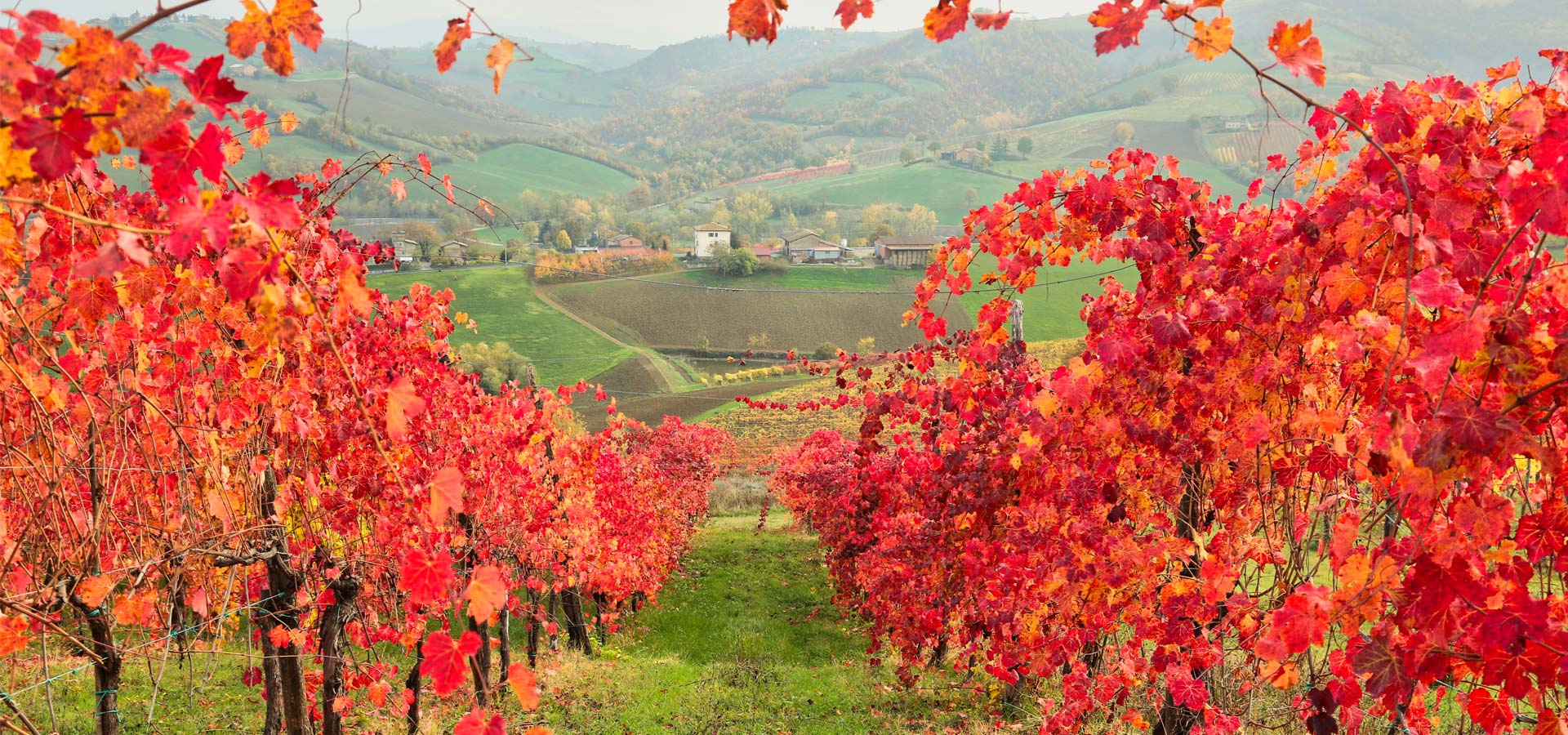
The Winery produces its wines following the tradition based on authenticity and simplicity, bringing to the table all of the genuine flavor of a generous and ancient land.
More than 100 years of tradition
The Winery produces its wines following the tradition based on authenticity and simplicity, bringing to the table all of the genuine flavor of a generous and ancient land.
More than 100 years of tradition
The Winery produces its wines following the tradition based on authenticity and simplicity, bringing to the table all of the genuine flavor of a generous and ancient land.
More than 100 years of tradition
The Winery produces its wines following the tradition based on authenticity and simplicity, bringing to the table all of the genuine flavor of a generous and ancient land.
Later, in 1919, Bruno Zanasi was born. From a young age, he was exposed to the world of agriculture, learning the trade his father had already begun. In 1952, after the war and his imprisonment, he married. From this union, two children were born: Marinella and Luigi (named after his late father, who now owned a pig farm for the production of Modena and Parma ham, and a dairy farm for Parmigiano Reggiano cheese). In 1978, Bruno, with the support of his children, purchased 11 hectares of land from Count Ranuzzi Dei Bianchi of Bologna. This was the beginning of a new company!
Over the years, Bruno renovated his estate, purchasing new land near Castelnuovo, Castelvetro. Today, in addition to Marinella, his son Marco works on the Zanasi farm. With the help of his wife Mara and the teachings of his grandfather Bruno, he manages the company and continues what his grandfather built with great effort and sacrifice. His brother Matteo, despite having chosen to work in the financial sector by nature, also passionately assists Marco in the family business.
This is the story that the Zanasi family has been handing down for many years, entering people's homes to share what they have created with innovation and authenticity...
The masterpiece of a lifetime, which will continue to be passed down from generation to generation...
Later, in 1919, Bruno Zanasi was born and from a very young age was introduced to the world of agriculture- so that he could learn the trade begun by his father. In 1952, after the end of the war and imprisonment, he married. This union would produce two children: Marinella and Luigi (named in honor of his father who had by this time passed away and who now is the owner of a pig farm that produces Modena and Parma hams and a barn for the production of milk for Parmesan cheese.) In 1978, Bruno with the support of his children purchased 11 hectares of land from Count Ranuzzi dei Bianchi of Bologna. This was the beginning of a new company!
In the following years Bruno restructured the estate acquiring new land near Castelnuovo and Castelvetro. And today, working at the Zanasi Company,in addition to Marinella is her son Marco, who with the help of his wife Mara and thanks to the teachings of his grandfather Bruno guides the company and continues what his grandfather built with hard work and sacrifice. Also, his brother, Matteo, despite choosing to work in the financial sector, enthusiastically helps Marco in the family business.
This is the story that has been handed down through the years in the Zanasi family, that now enters the homes of people to share what the Zanasi family has been able to create with innovation and authenticity… The masterpiece of a lifetime, that will continue to be handed down from generation to generation.
Later, in 1919, Bruno Zanasi was born and from a very young age was introduced to the world of agriculture- so that he could learn the trade begun by his father. In 1952, after the end of the war and imprisonment, he married. This union would produce two children: Marinella and Luigi (named in honor of his father who had by this time passed away and who now is the owner of a pig farm that produces Modena and Parma hams and a barn for the production of milk for Parmesan cheese.) In 1978, Bruno with the support of his children purchased 11 hectares of land from Count Ranuzzi dei Bianchi of Bologna. This was the beginning of a new company!
In the following years Bruno restructured the estate acquiring new land near Castelnuovo and Castelvetro. And today, working at the Zanasi Company,in addition to Marinella is her son Marco, who with the help of his wife Mara and thanks to the teachings of his grandfather Bruno guides the company and continues what his grandfather built with hard work and sacrifice. Also, his brother, Matteo, despite choosing to work in the financial sector, enthusiastically helps Marco in the family business.
This is the story that has been handed down through the years in the Zanasi family, that now enters the homes of people to share what the Zanasi family has been able to create with innovation and authenticity… The masterpiece of a lifetime, that will continue to be handed down from generation to generation.
Later, in 1919, Bruno Zanasi was born and from a very young age was introduced to the world of agriculture- so that he could learn the trade begun by his father. In 1952, after the end of the war and imprisonment, he married. This union would produce two children: Marinella and Luigi (named in honor of his father who had by this time passed away and who now is the owner of a pig farm that produces Modena and Parma hams and a barn for the production of milk for Parmesan cheese.) In 1978, Bruno with the support of his children purchased 11 hectares of land from Count Ranuzzi dei Bianchi of Bologna. This was the beginning of a new company!
In the following years Bruno restructured the estate acquiring new land near Castelnuovo and Castelvetro. And today, working at the Zanasi Company,in addition to Marinella is her son Marco, who with the help of his wife Mara and thanks to the teachings of his grandfather Bruno guides the company and continues what his grandfather built with hard work and sacrifice. Also, his brother, Matteo, despite choosing to work in the financial sector, enthusiastically helps Marco in the family business.
This is the story that has been handed down through the years in the Zanasi family, that now enters the homes of people to share what the Zanasi family has been able to create with innovation and authenticity…
The masterpiece of a lifetime, that will continue to be handed down from generation to generation.
Fertile and generous land
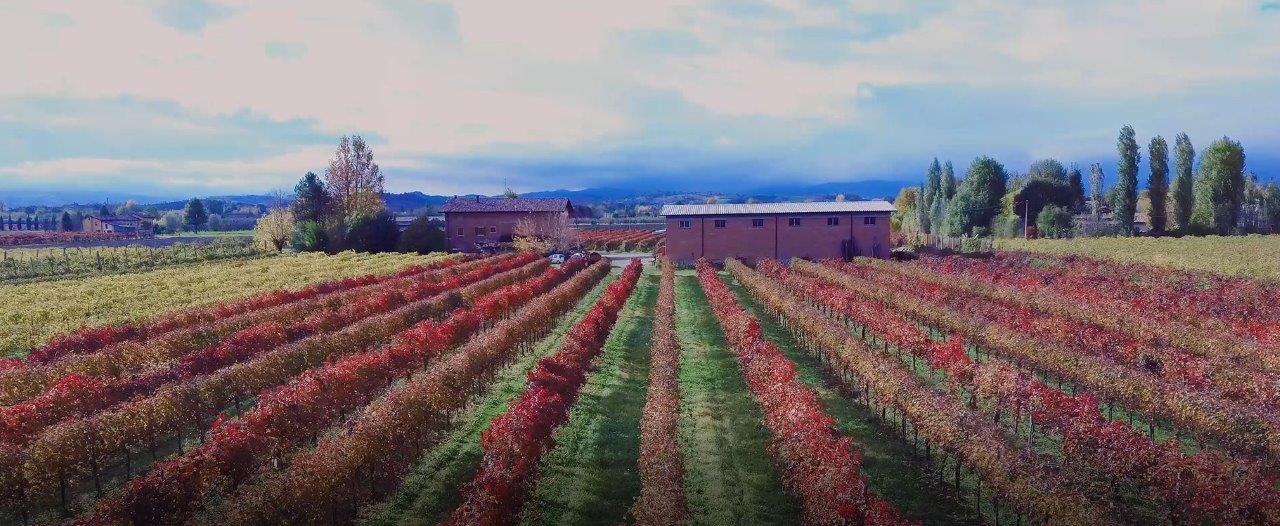
The vintage of the wine is determined by simple and natural elements, such as: sun, rain, snow and the personal ambition of the owner. Every row of vines grows and lives thanks to the patient care of a man that knows and loves his land and each day enhances the best fruits with passion and the tenacity of his own work.
Fertile and generous land
The vintage of the wine is determined by simple and natural elements, such as: sun, rain, snow and the personal ambition of the owner. Every row of vines grows and lives thanks to the patient care of a man that knows and loves his land and each day enhances the best fruits with passion and the tenacity of his own work.
Fertile and generous land
The vintage of the wine is determined by simple and natural elements, such as: sun, rain, snow and the personal ambition of the owner. Every row of vines grows and lives thanks to the patient care of a man that knows and loves his land and each day enhances the best fruits with passion and the tenacity of his own work.
Fertile and generous land
The vintage of the wine is determined by simple and natural elements, such as: sun, rain, snow and the personal ambition of the owner. Every row of vines grows and lives thanks to the patient care of a man that knows and loves his land and each day enhances the best fruits with passion and the tenacity of his own work.
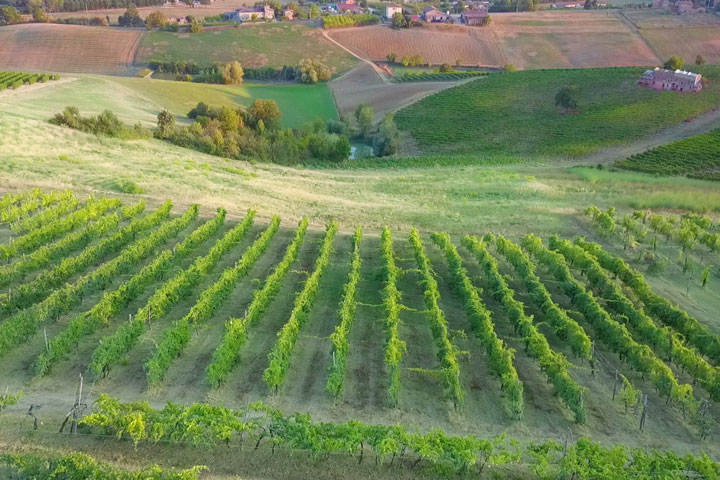
The production cycle in the vineyard begins with short pruning aimed at limiting the number of buds per plant. This practice allows the vine to concentrate its nutrients in a few bunches, resulting in grapes with a savory, fragrant, and richly aromatic pulp.
During the summer green pruning phase, pruning is moderate: the bunch is uncovered to ensure proper lighting, while preserving an adequate foliage structure, essential for the plant's sustenance and respiration.
Soil management involves grassing between the rows to protect biodiversity and safeguard a vital and nourishing ecosystem for the vines.
The winery's wines are made exclusively from its own grapes. Constant monitoring of the entire winemaking cycle—from tending the vines to harvesting, vinification, storage, aging, and bottling—combined with respect for tradition, is the fundamental prerequisite for ensuring the highest quality of the final product.
The production cycle in the vineyard begins with short pruning aimed at limiting the number of buds per plant. This practice allows the vine to concentrate its nutrients in a few bunches, resulting in grapes with a savory, fragrant, and richly aromatic pulp.
During the summer green pruning phase, pruning is moderate: the bunch is uncovered to ensure proper lighting, while preserving an adequate foliage structure, essential for the plant's sustenance and respiration.
Soil management involves grassing between the rows to protect biodiversity and safeguard a vital and nourishing ecosystem for the vines.
The winery's wines are made exclusively from its own grapes. Constant monitoring of the entire winemaking cycle—from tending the vines to harvesting, vinification, storage, aging, and bottling—combined with respect for tradition, is the fundamental prerequisite for ensuring the highest quality of the final product.
The production cycle in the vineyard begins with short pruning aimed at limiting the number of buds per plant. This practice allows the vine to concentrate its nutrients in a few bunches, resulting in grapes with a savory, fragrant, and richly aromatic pulp.
During the summer green pruning phase, pruning is moderate: the bunch is uncovered to ensure proper lighting, while preserving an adequate foliage structure, essential for the plant's sustenance and respiration.
Soil management involves grassing between the rows to protect biodiversity and safeguard a vital and nourishing ecosystem for the vines.
The winery's wines are made exclusively from its own grapes. Constant monitoring of the entire winemaking cycle—from tending the vines to harvesting, vinification, storage, aging, and bottling—combined with respect for tradition, is the fundamental prerequisite for ensuring the highest quality of the final product.
The production cycle in the vineyard begins with short pruning aimed at limiting the number of buds per plant. This practice allows the vine to concentrate its nutrients in a few bunches, resulting in grapes with a savory, fragrant, and richly aromatic pulp.
During the summer green pruning phase, pruning is moderate: the bunch is uncovered to ensure proper lighting, while preserving an adequate foliage structure, essential for the plant's sustenance and respiration.
Soil management involves grassing between the rows to protect biodiversity and safeguard a vital and nourishing ecosystem for the vines.
The winery's wines are made exclusively from its own grapes. Constant monitoring of the entire winemaking cycle—from tending the vines to harvesting, vinification, storage, aging, and bottling—combined with respect for tradition, is the fundamental prerequisite for ensuring the highest quality of the final product.
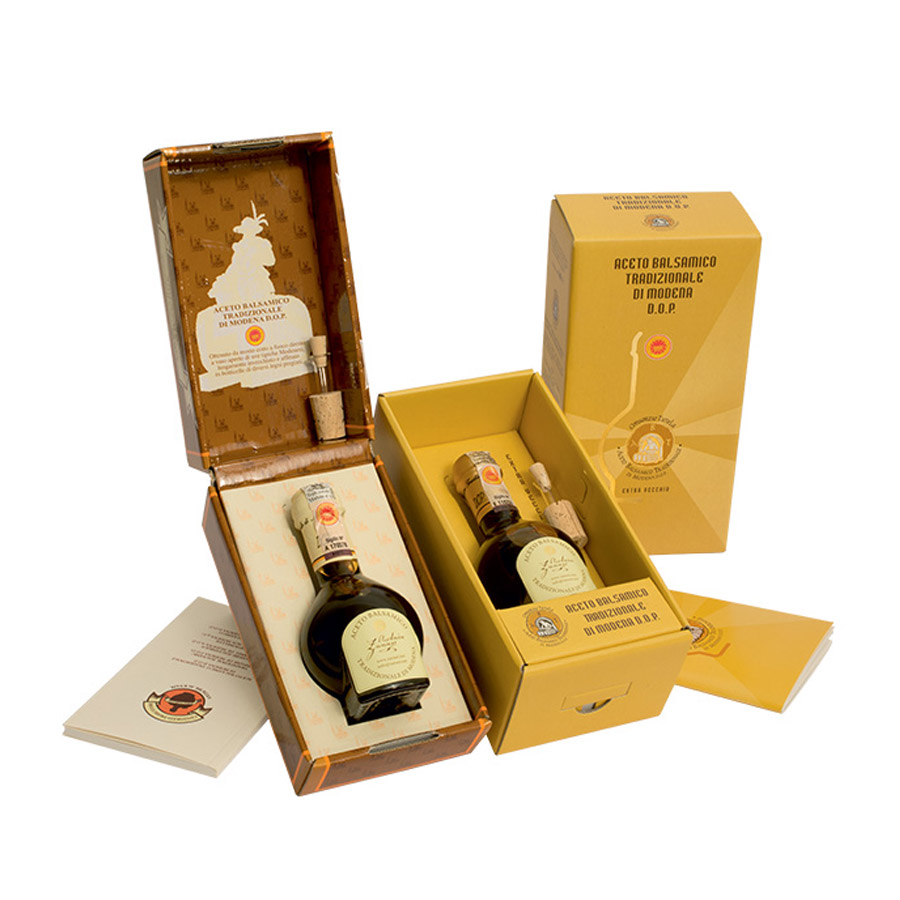
Our secret and our expertise lies in the subsequent optimal aging and refining process, which lasts for an extended period in series of barrels made of different woods.
Three fundamental factors characterize our Balsamic Vinegars: the Territory, with its tradition; Mankind, with its culture and passion; and Time, which enriches the product with aromas and flavors that have almost disappeared in this era of rapid change.
Our secret and our wisdom are in the subsequent excellent aging and refining process that takes place over a long period of time in a set of barrels from various types of woods over a long period of time.
There are three factors that characterize our Balsamic Vinegars: the land, which gives it the tradition, the people who give culture and passion and time which enriches the product with scents and aromas that have almost disappeared in this era of rapid changes.
Our secret and our wisdom are in the subsequent excellent aging and refining process that takes place over a long period of time in a set of barrels from various types of woods over a long period of time.
There are three factors that characterize our Balsamic Vinegars: the land, which gives it the tradition, the people who give culture and passion and time which enriches the product with scents and aromas that have almost disappeared in this era of rapid changes.
Our secret and our wisdom are in the subsequent excellent aging and refining process that takes place over a long period of time in a set of barrels from various types of woods over a long period of time.
There are three factors that characterize our Balsamic Vinegars: the land, which gives it the tradition, the people who give culture and passion and time which enriches the product with scents and aromas that have almost disappeared in this era of rapid changes.

La Collina
Castelvetro di Modena
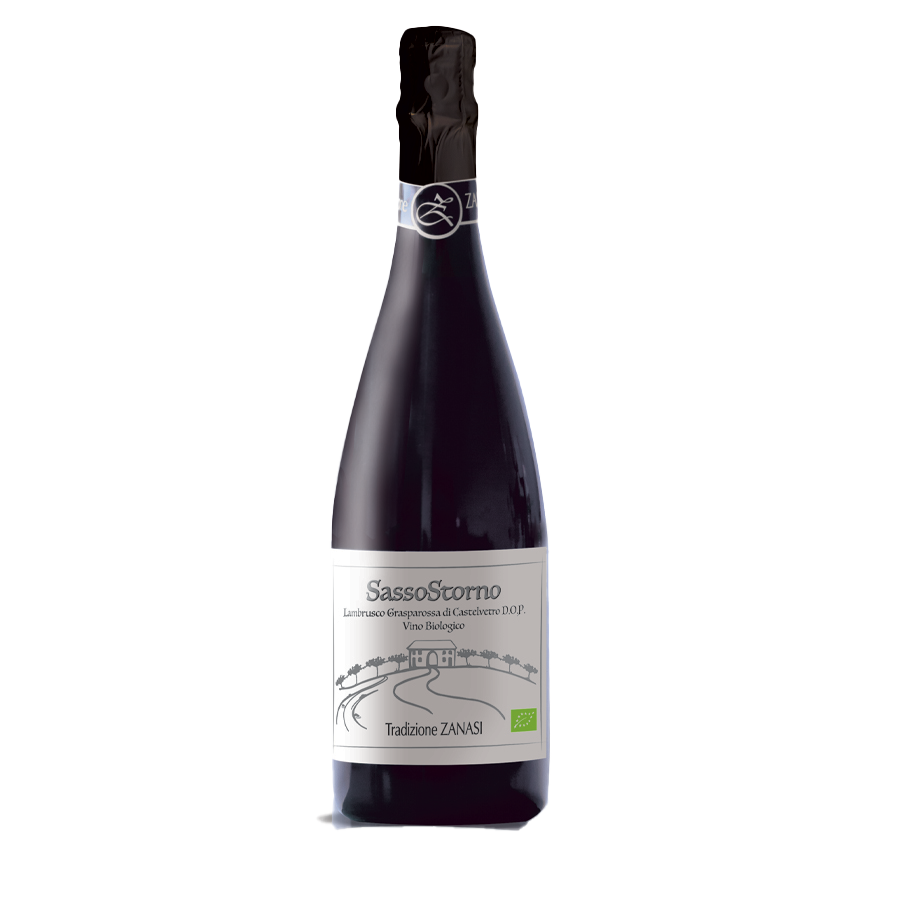
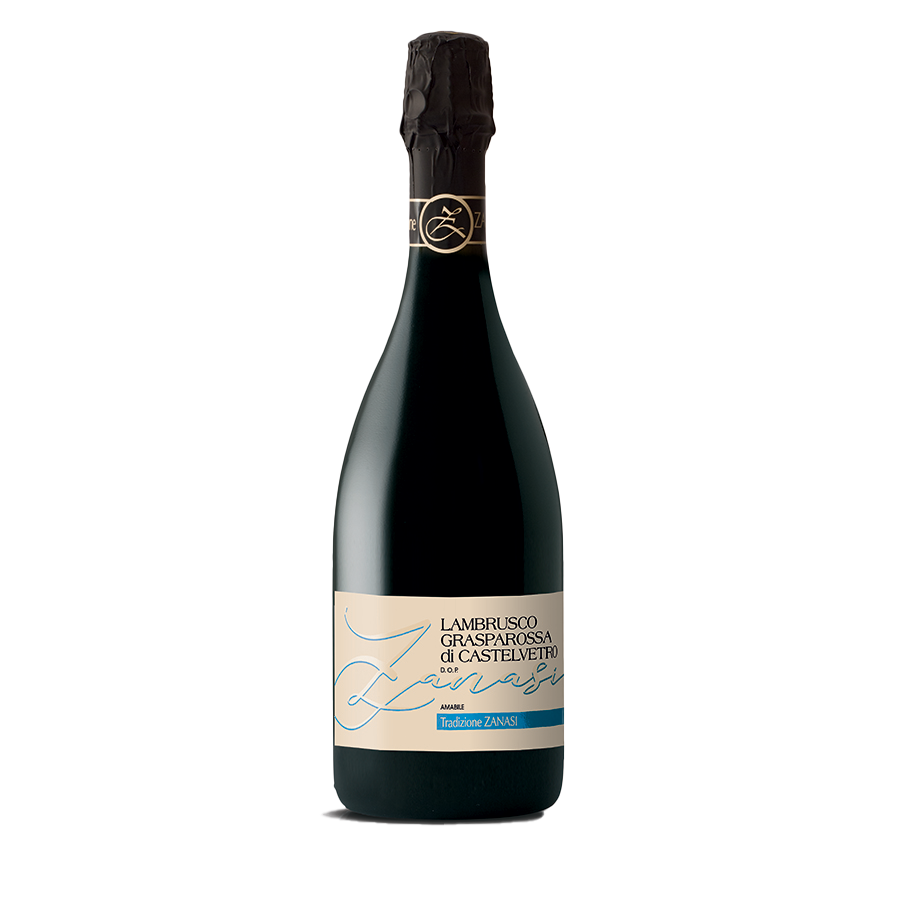
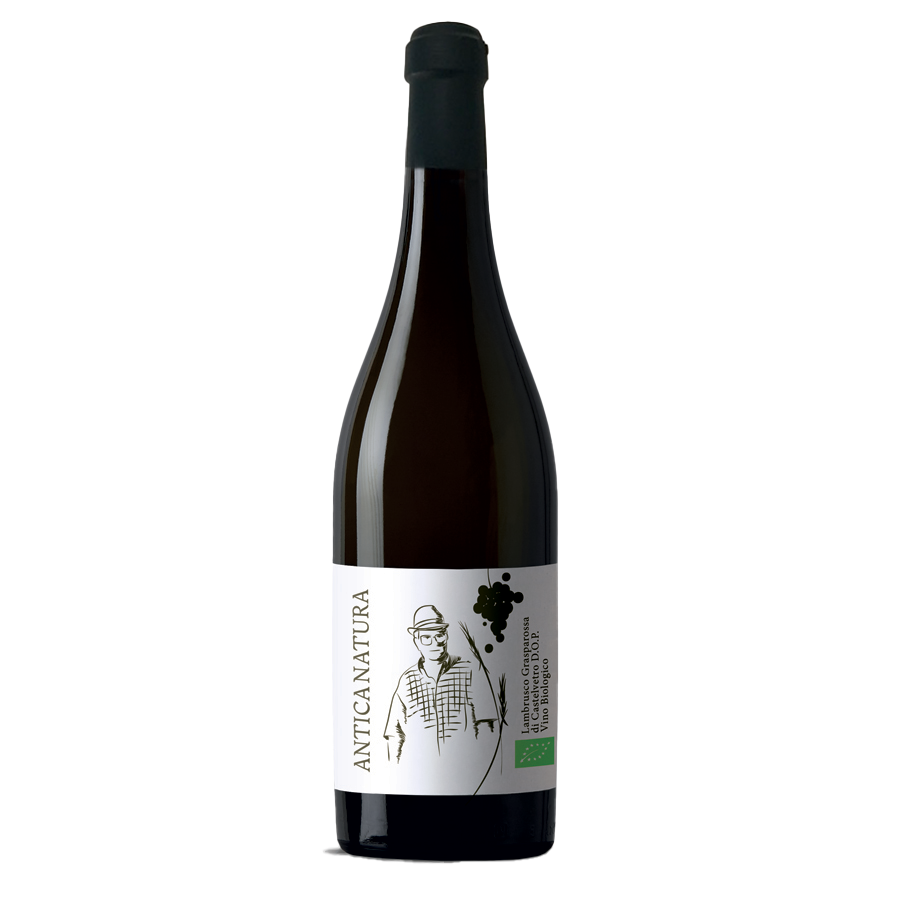
Lambrusco Grasparossa di Castelvetro
This 3-hectare plot of land is my first big step into solitude after the inheritance left by my grandfather. It’s a great thrill, especially because this is an exclusive area. Here, the Lambrusco Grasparossa di Castelvetro was discovered, an area protected by the Bologna Fine Arts Council, which manages our region’s landscape heritage. The clayey, calanco soil is crucial for the structure and intense color of the wine. These characteristics will continue to enrich my wine.
Il Secolare
Castelnuovo Rangone
Lambrusco Grasparossa di Castelvetro
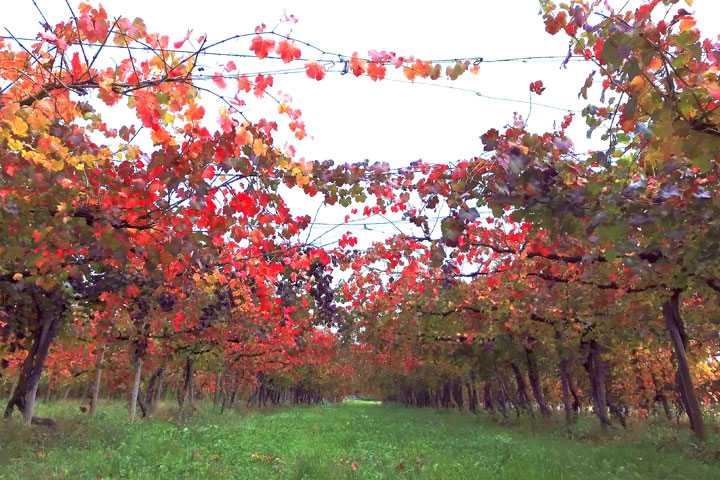
The vineyard I hold dear to my heart. It’s true that it doesn’t have the thrill of altitude, being only 90 meters above sea level, but it’s rich in history, with a perfect combination of clay, sand, and limestone. The vineyard uses the historic tree-trained system, now unique in the province, with very few vines per hectare that yield incredibly fragrant grapes. The explosive and complex aromas of red fruit found in the grapes from this vineyard are unique.
Il Cristo
Località Bomporto
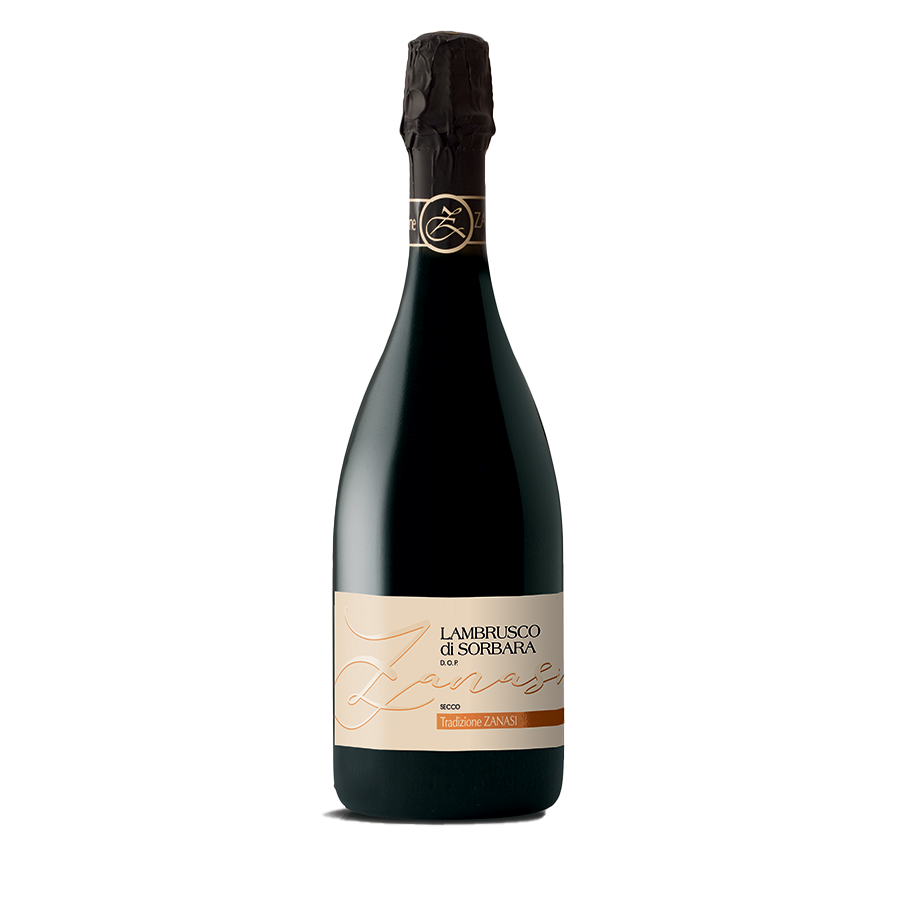
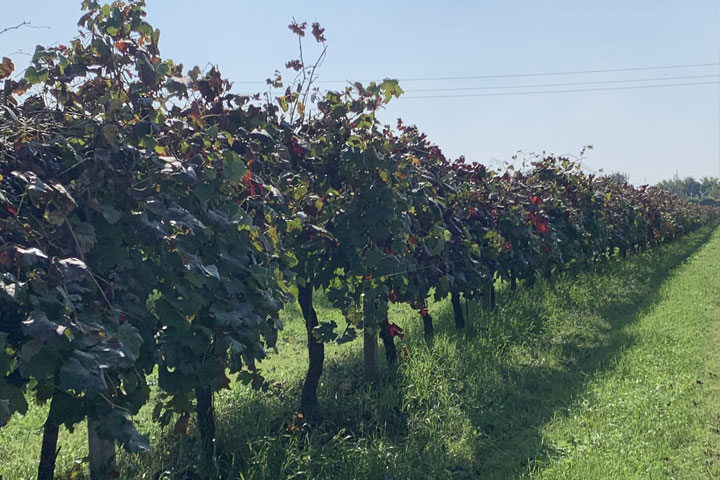
Lambrusco di Sorbara
In the province of Bomporto, a plain originally marshy, enriched by the Secchia and Panaro rivers flowing down from the Apennines, has never been deprived of water. The soil is predominantly sandy, ensuring good drainage and rich in potassium. This allows us to harvest grapes that will yield a wine with a pronounced acidity and rich in fine and elegant aromas such as rose, strawberry, pink grapefruit, and orange peel.